Vacation planning with Redmine HRM
Absences, approvals and the absence calendar
AlphaNodes online training, about 6 minutes
Why plan absences in Redmine
- One system the team already uses, no spreadsheet that is always out of date
- Employees book, superiors approve, HR sees the whole picture in one calendar
- Remaining leave is counted automatically against a yearly limit
- Absences feed resource planning, so capacity is right without extra work
Five steps, in this order
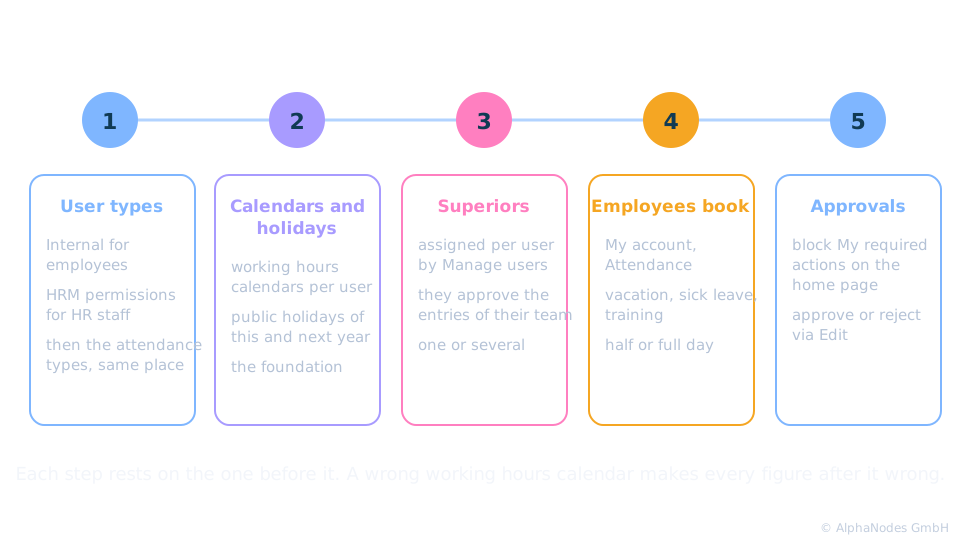
Step 1: User types
- Administration, HRM, tab User types
- Employees who book absences belong to a user type with the option Internal
- HR staff additionally need HRM permissions such as View HRM and Manage users
Every user starts with the type Default. Adjust it first, then create the types you are missing.
Step 2: Attendance types
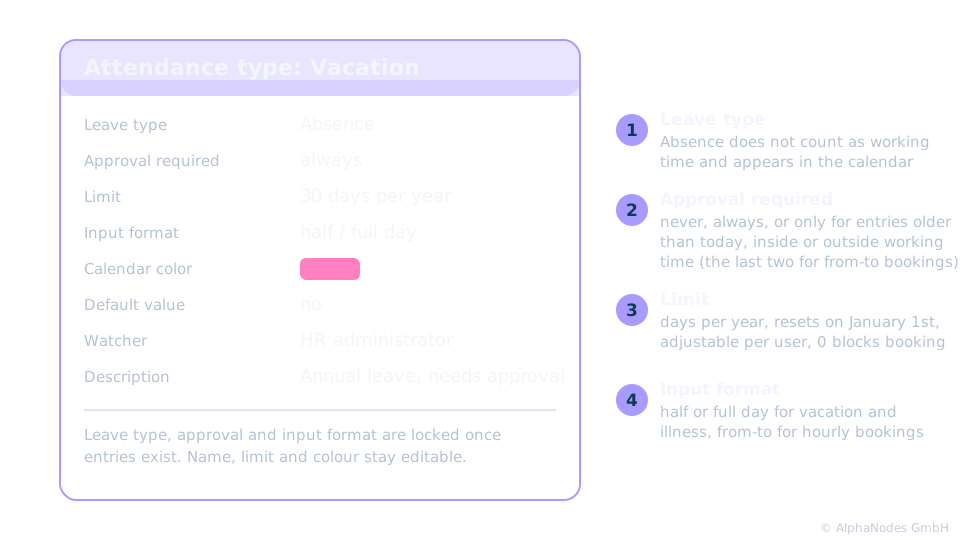
- Same place, tab Attendance types: one type per kind of absence, for example Vacation, Sick leave, Training
- Leave type Absence, so the days do not count as working time
- Approval required for vacation, a Limit of days per year, input format half or full day
Anatomy of an attendance type
Step 3: Holidays and working hours calendars
- HRM, Holidays: the public holidays of the current and next year, otherwise they count as working days
- HRM, Working hours calendars: working days and hours, assigned to every internal user
- Internal users get the calendar Default automatically, check that it matches their real working time
Step 4: Employees book their absences
- My account, entry Attendance, link New attendance
- Choose the type, the date and half or full day, several days at once with Repeat up to and including
- Types with a limit show the days per year and the days already taken in the Attendance overview
A limit of 0 means the type cannot be booked at all. An empty limit means no limit.
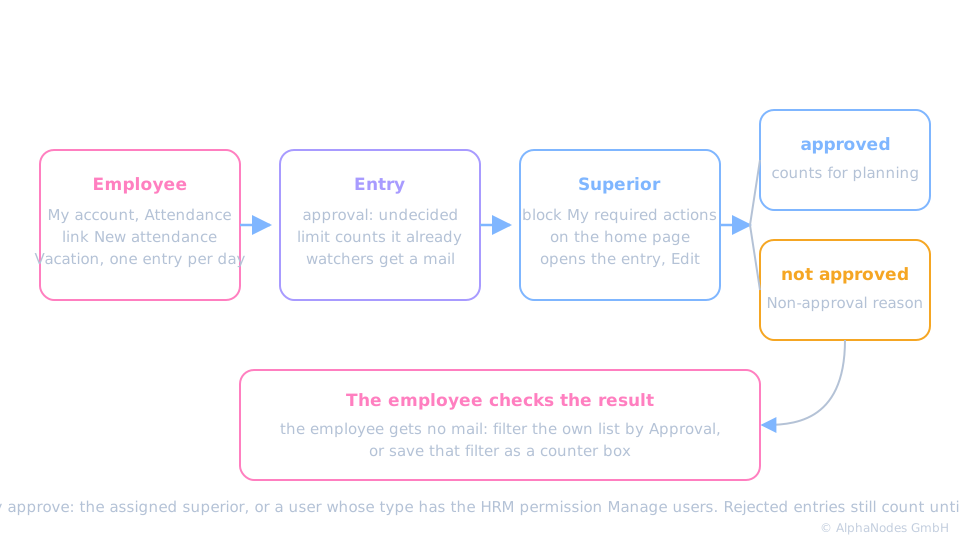
From request to approval
Step 5: Approvals
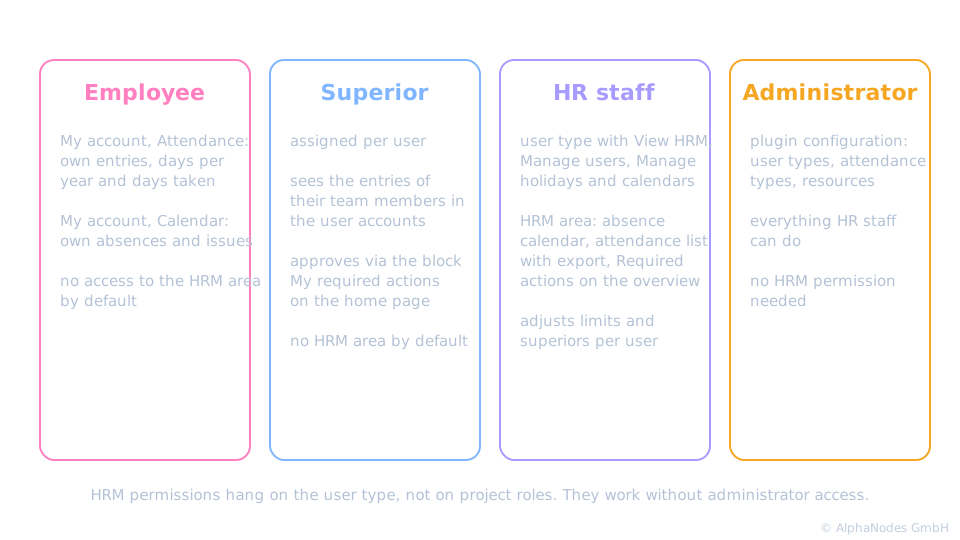
- Superiors are assigned per user by someone with the HRM permission Manage users
- Pending entries appear in the dashboard block Required actions on the HRM overview, or My required actions on the home page
- Approve or reject via Edit, states undecided, approved and not approved, with a reason in the field Non-approval reason
The employee is not notified about the decision. Employees filter their list by Approval or use a counter box.
Who sees what
The absence calendar
- HRM area, tab Absence calendar: a month view of all absences of internal users
- Filters by user, group, user type, working hours calendar, superior, attendance type and approval
- Option Show holidays, filter by attendance type to colour entries by person
- Access needs the HRM permission View HRM, usually HR staff only
In short
Types, calendars and holidays first, then everyone books, superiors approve, HR sees the calendar.
Good to know
- Leave type, approval and input format of a type are locked once entries exist, test before going live
- Limits reset on January 1st and can be adjusted per user
- Only one half or full day booking per date, hourly bookings use the from-to format
- HRM needs the Reporting plugin, both are part of the Enterprise+ bundle
See it live
Try the plugin in our online demo
Product page · Back to online training
© AlphaNodes GmbH, all rights reserved